Short answer
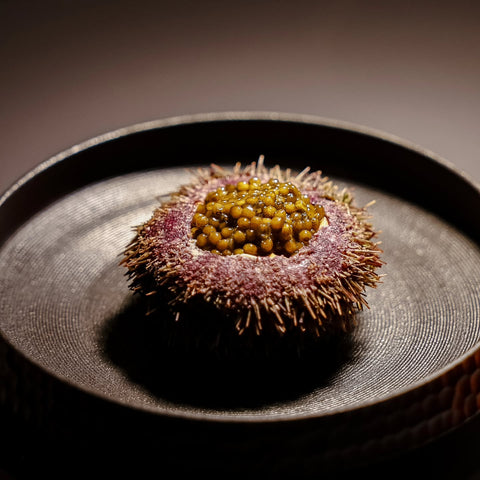
Malossol caviar is lightly salted sturgeon caviar. The word comes from the Russian for "lightly salted", and it usually means about 3 to 4% salt. Today, almost all premium caviar is made in the malossol style, because a light salting lets the natural flavour of the eggs shine through.
Malossol caviar is a type of caviar that is lightly salted. The word "malossol" is derived from the Russian language and means "little salt." This type of caviar is prized for its delicate flavour and texture, which are not overpowered by heavy saltiness.
Traditionally, caviar was heavily salted as a way of preserving the fish eggs. Malossol caviar became possible in the 19th century, as better cold storage allowed producers to use much less salt. The result is a caviar that is less salty and has a fresher, more nuanced flavour.
Malossol caviar is made from the eggs of sturgeon, a family of large, prehistoric fish. The most highly prized and expensive malossol caviar comes from the beluga sturgeon, native to the Caspian and Black Sea basins. Wild beluga is now critically endangered, so all legal beluga caviar today comes from farms. Other types of sturgeon caviar, such as Osetra, Siberian, Kaluga and Sevruga, are also produced in the malossol style, which is why you will see the word on so many tins.
What Does Malossol Mean?
Malossol comes from the Russian word malosolny (малосольный), which means "lightly salted": malo means "little" and sol means "salt". In Russia and Eastern Europe, the term is used for any lightly salted food, such as malossol pickles. Outside that region, it is best known from caviar tins, where it signals a premium, lightly salted product. Malossol is not a type of fish or a species of sturgeon: it describes how the eggs are salted.
How Much Salt Is in Malossol Caviar?
There is no single legal definition, but malossol caviar usually contains about 3 to 4% salt. Malossol and payusnaya (pressed caviar) are both traditional Russian caviar styles. Here is how they compare:
| Style | Typical salt content | Taste |
|---|---|---|
| Malossol caviar | About 3 to 4% | Delicate, lets the flavour of the eggs shine |
| Salted caviar | Up to about 8% | Noticeably saltier |
| Pressed caviar (payusnaya) | Up to about 10% | Intense, jam-like paste of broken eggs |
Is Malossol Caviar Better Than Traditional Caviar?
Whether malossol caviar is "better" than traditional caviar depends on personal taste and preferences. Malossol caviar is lightly salted, which allows the natural flavour of the fish eggs to shine through. Some people prefer the more delicate flavour of malossol caviar, while others may prefer the stronger, saltier taste of traditionally salted or pressed caviar.
Today, malossol is the standard for premium caviar, so most of the caviar you will find in stores is already malossol. Light salting does demand very fresh, high-quality eggs and careful handling, because there is less salt to preserve them. That is why heavily salted caviar is now mostly a traditional or niche product.
In general, the quality of caviar is determined by factors such as the freshness and quality of the fish eggs, the production process, and the level of salt used. Both malossol caviar and traditional caviar can be high-quality and delicious, and it ultimately comes down to personal taste and preference.
How Much Does Malossol Caviar Cost?
Malossol is not a price category. Since most premium caviar is malossol, its price depends mainly on the species, the size and grade of the eggs and where it was farmed. In Canada, sturgeon caviar typically costs about CA$90 to CA$220 for a 28 g (1 oz) tin, with rare species such as beluga costing much more. For a full breakdown, see our caviar price guide.
Malossol vs Pasteurized Caviar
Malossol describes how much salt is used, not how long the caviar keeps. Malossol caviar can be sold unpasteurized, which keeps for about 1 to 2 months unopened, or gently pasteurized, which keeps for up to about 5 months unopened. Once opened, both should be enjoyed within a couple of days. For details, see our guide on how long caviar lasts.
Frequently Asked Questions
What does malossol mean?
Malossol comes from the Russian malosolny, meaning "lightly salted". On caviar, it means the eggs were cured with little salt, usually about 3 to 4%.
Is malossol a type of fish?
No. Malossol is a salting style, not a fish. Malossol caviar can come from any sturgeon, such as beluga, Osetra, Siberian or Kaluga.
Is malossol caviar good?
Yes. Malossol is the standard for premium caviar, because light salting preserves the delicate natural flavour of the eggs. Quality still depends on the species, freshness and handling.
Is all caviar malossol?
Most premium caviar sold today is malossol. More heavily salted caviar and pressed caviar (payusnaya) still exist, but they are now traditional or niche products.
What are payusnaya and malossol?
Both are traditional Russian styles of sturgeon caviar. Malossol is whole, lightly salted eggs, while payusnaya is pressed caviar, a saltier, jam-like paste made from broken eggs.
Taste malossol caviar
Explore our sturgeon caviar, shipped refrigerated across Canada. Lightly salted salmon and trout roe are popular too: browse our fish roe and red caviar.
Sources & References
- • Caviar Malossol – Office québécois de la langue française, Grand dictionnaire terminologique
- • Malosol – Wikipedia
- • CaviarHub research: product specifications and storage (2026)