

Guide du débutant sur le caviar
Caviar is the salted roe (fish eggs) of sturgeon (type of fish).
A first tasting needs little more than a chilled tin, a spoon and a few simple accompaniments.
This guide is written for anyone trying caviar for the first time, whether buying for yourself, hosting, or choosing a gift.
In This Guide
The Best Caviar for Beginners
Start with Siberian. Siberian sturgeon (Acipenser baerii) caviar is the most approachable first tin. It is creamy and nutty, with an oceanic finish, and the pearls are medium-sized and glossy. It is farmed in Italy and available in tins from 28 g.
Step up to Osetra. Osetra (Acipenser gueldenstaedtii) is the natural next choice. The pearls are larger and firmer, with a nutty, buttery flavour, hints of toasted grain and dried fruit, and a lightly briny finish.
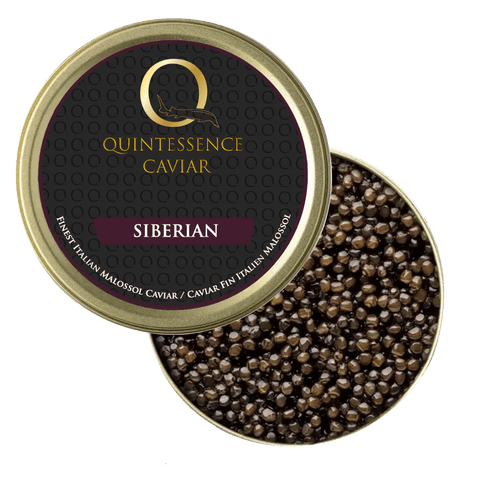
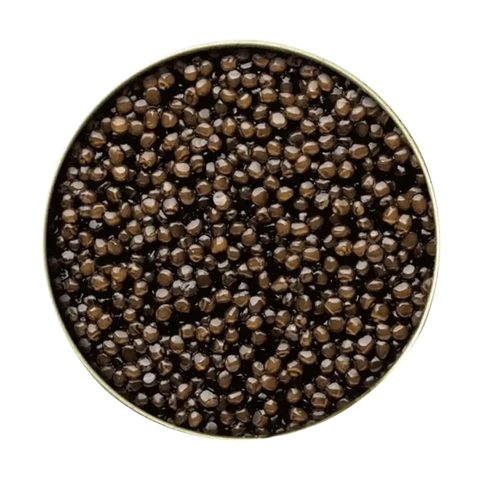
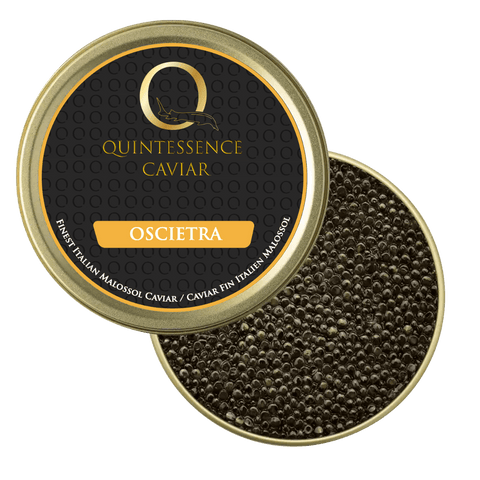
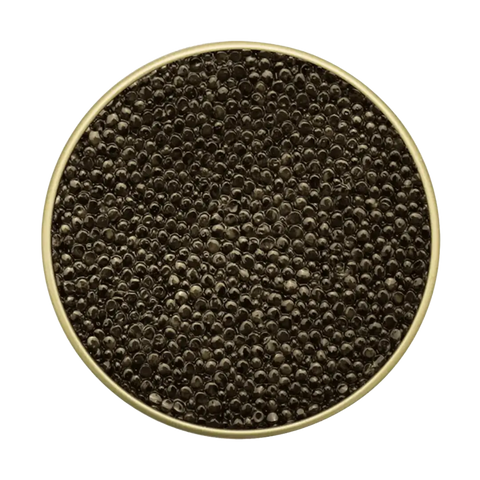
Siberian (baerii) Caviar
- Tasting notes
- Mineral, earthy, nutty, oceanic finish
- Pearl size
- Small to medium (2.8 to 3.0 mm)
- Colour and texture
- Glossy, deep amber, firm pearls
Osetra Caviar
- Tasting notes
- Buttery, nutty, dried fruit, long finish
- Pearl size
- Medium to large (3.0 to 3.2 mm)
- Colour and texture
- Dark, firm pearls, elegant olive hue
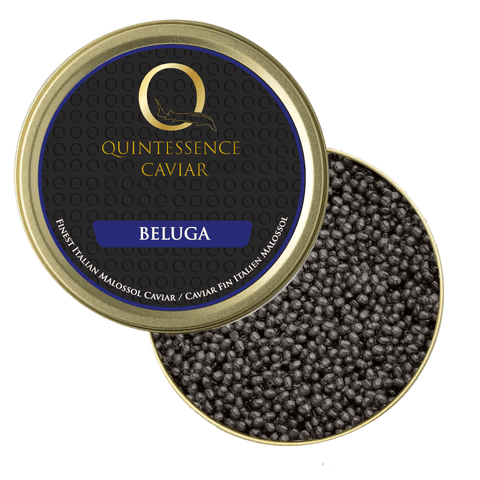
Save Beluga for later. Beluga carries the greatest reputation in caviar, but it is easier to appreciate once you have something to compare it with. The Beluga Guide covers it in full, and Beluga vs. Osetra compares it with the step-up above.
Both Siberian and Osetra are also sold in starter sets that include everything needed to serve them. The next section helps you decide which experience suits you.
Trying caviar for the first time? We make it easy.
Get everything you need for your first caviar experience in one click with our Caviar Starter Kits.
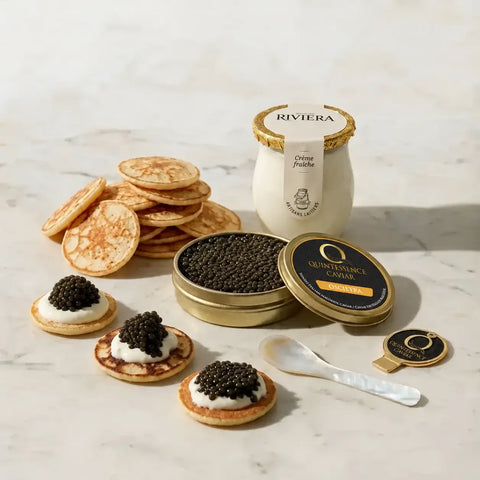
Planning Your First Caviar Experience
Indulging in caviar is much more than just another meal.
It's an experience, a ritual, a topic of conversation, a memory, and a special moment.
Your first taste of caviar should reflect the experience you want and we're here to guide you along your journey.
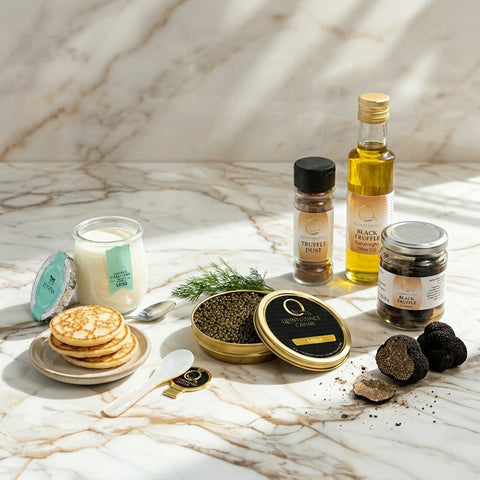
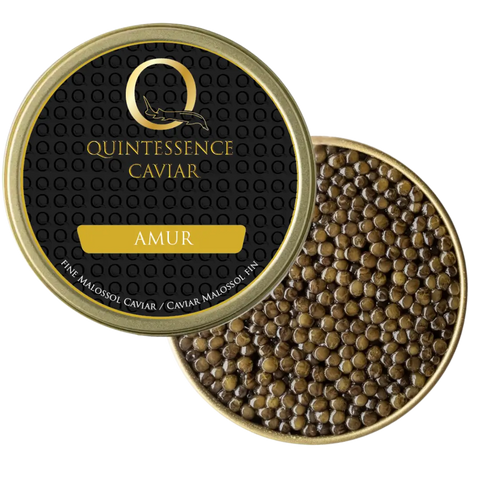
A Focused Experience
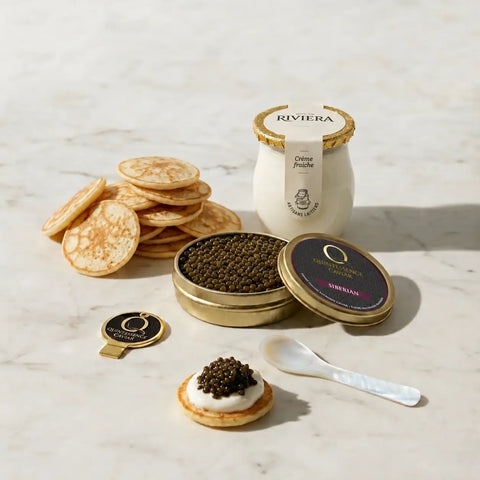
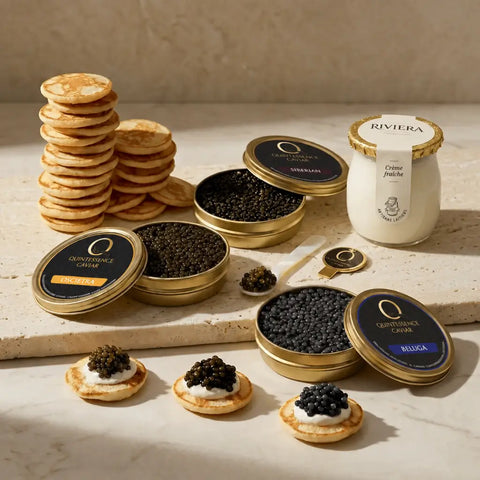
Begin your journey with a single caviar.Whether you just want to taste caviar to see if you'll like it or you're feeling overwhelmed stepping into the world of caviar, a focused tasting may be best for you.
Keep it simple and focus your experience on appreciating one variety (we recommend Siberian or take it a step up with Osetra). You'll be able to truly taste the time and patience that make caviar the special and rare delicacy it is.
An Exploratory Experience
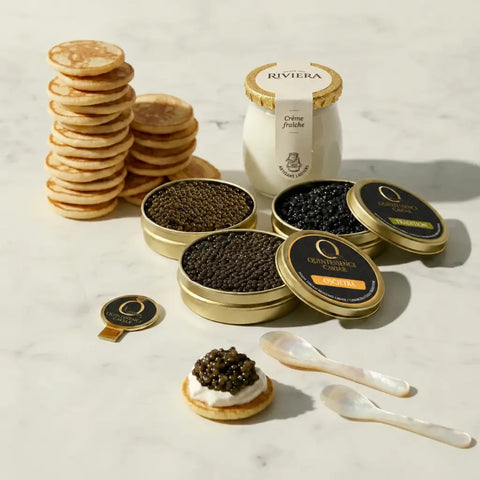
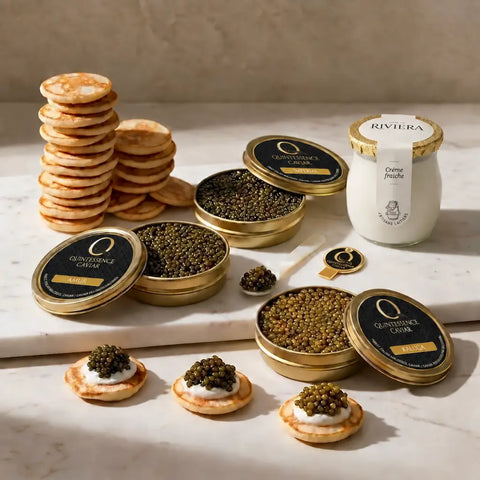
Begin your journey with a caviar flight.Whether you know what caviar tastes like or you're confident that you will like it (hello, seafood lovers!), an exploratory experience may be best for you.
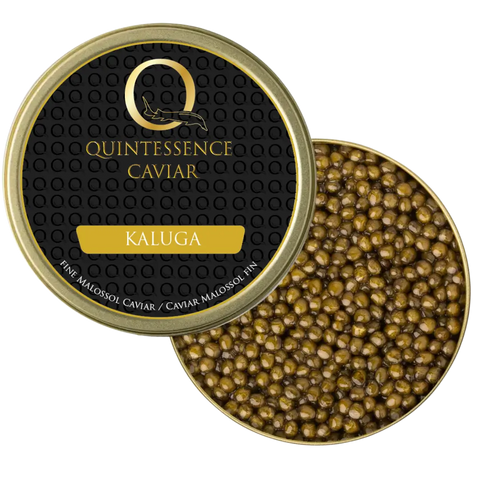
Much like a wine tasting, exploratory sets are not only fun, but they take your taste buds through an adventure. Discover the differences between each variety and uncover which is your true favourite.
PS: if Beluga is your favourite, we take it you're not a cheap date!
The Perfect Gift
Looking for someone else? Explore our luxurious and curated Caviar Gift Sets.

What to Pair With Caviar
Good caviar needs very little. The aim is to add richness and a neutral base, not to compete with the flavour of the pearls.
Whether you want to try it straight out of the tin, a classic way or a modern way, we break it down for you below.
Layer 1
The base
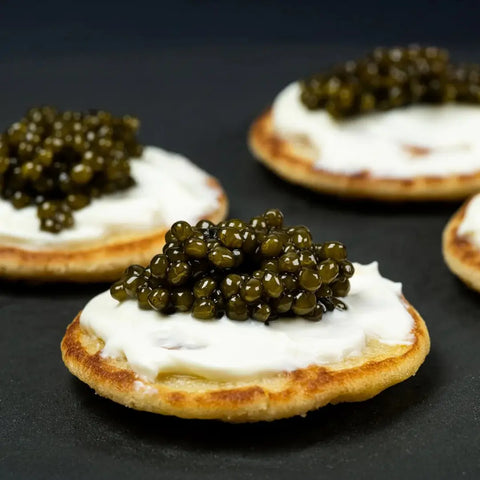
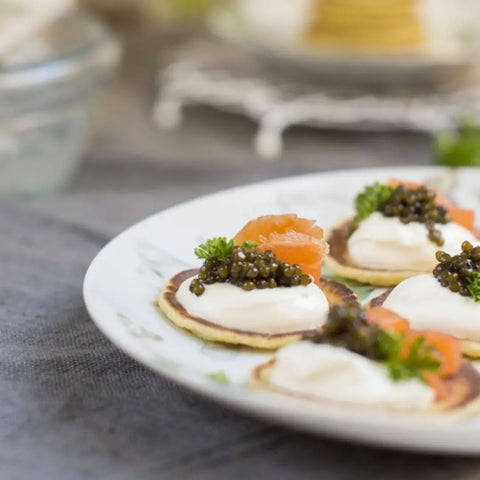
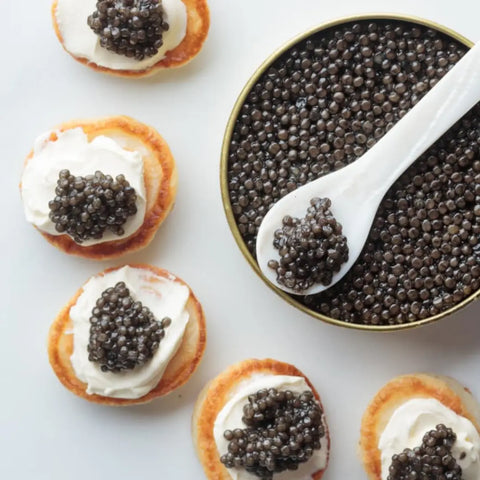
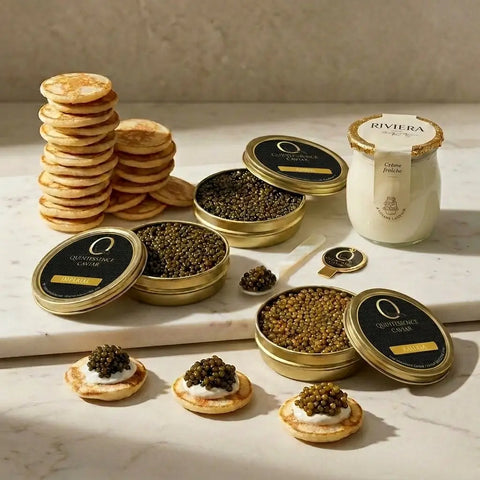
Holds the bite together. Blinis (small, lightly sweet pancakes) are the classic. Crackers or plain toast work too, and sea salt kettle chips add a modern, crunchy twist.
Layer 2
The balancing act
Balances the salt without hiding it. Add a dollop of crème fraîche (thick, rich cream with a velvety texture) on blinis or chips, or unsalted butter on toast or crackers.
Layer 3 (optional)
The final touches
Finely chopped chives, shallots or fresh dill. Skip this layer if you are trying caviar for the first time.
Prefer no distractions? Experienced caviar lovers often skip every layer and taste a small spoonful straight from the tin.
In the glass
Dry sparkling wine or Champagne is the traditional partner, and a very cold, clean vodka is the other classic. A crisp, dry white wine works too. Whatever you pour, look for good acidity and low sweetness.
Whichever way you go, the caviar is the star and everything else is there to support it.
How to Serve Caviar
Serving is simple, but a few details make a real difference.
Keep it cold until you serve
Store the tin in the coldest part of your refrigerator, in its original packaging, and open it only when your guests are ready.
Open it gently
A caviar tin opener lifts the lid without crushing the pearls or forcing the tin.
Use a non-metal spoon
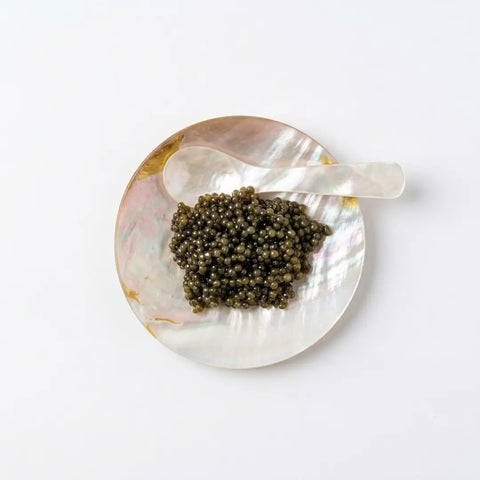
Metal can give caviar an unpleasant metallic taste. A Mother of Pearl spoon is the classic choice, and bone, wood and gold also work. Our caviar spoon guide explains the differences.
Present it simply
Serve the tin as it is, or spoon the caviar into a small dish set on ice to keep it cold at the table. A Mother of Pearl serving plate suits a hosted evening.
Our starter sets already include a spoon and a tin opener. If you are buying a tin on its own, you can add them from our caviar accessories.

How Much Caviar to Buy
Plan on about 28 g per person for a generous tasting.
That is the smallest standard tin size, and it is enough for a proper first experience.
1 guest
28 g
2 guests
50 g
4 guests
100 g
Party size
500 g
Most tins come in 28 g, 50 g, 100 g and 500 g, so these round to the nearest size.
Hosting a larger table, or want to offer more than one caviar? Scale up from the same figure. If caviar is one course in a longer menu, a smaller portion per person is enough.
Buy for the people at the table rather than for leftovers. Once opened, caviar is best finished the same evening, and it keeps for only 24 to 48 hours in the refrigerator.
Want a quick answer?
Our caviar calculator suggests an amount and matching products based on your guest count and tasting style.

Common Mistakes to Avoid
A few small habits separate a great first tasting from a disappointing one. These are the mistakes worth avoiding.
Using a metal spoon
Metal can give caviar an unpleasant metallic taste. Use Mother of Pearl, bone, wood or gold. Our caviar spoon guide explains the differences.
Serving it warm
Caviar is at its best cold. Keep it refrigerated until you serve, and keep it cold at the table.
Burying it in toppings
A small spoonful with a touch of crème fraîche is plenty. Heavy sauces, lemon and raw onion hide the flavour you are paying for.
Opening it too early
An opened tin keeps for only 24 to 48 hours in the refrigerator, and it tastes best in the first sitting. Open it when you are ready to eat.
Freezing opened caviar
Freezing after opening leads to spoilage. See how long caviar lasts for proper storage.
Starting with the most famous name
Beluga has the greatest reputation, but it is easier to appreciate once you have something to compare it with. Begin with Siberian or Osetra.
Buying by name alone
Look for the species, the origin and clear labelling, rather than a vague description like "Malossol Caviar".
Frequently Asked Questions
Fresh caviar is lightly salty and savoury, with a smooth, buttery or nutty character and a clean, oceanic finish. The pearls should pop gently rather than feel tough. Each variety differs in pearl size, texture and flavour. Read the full answer in what caviar tastes like.
Price depends on the species, the grade, the origin and the tin size. Siberian is generally the most accessible way in, while rarer species cost more. Our caviar price guide breaks it down, and why caviar is so expensive explains what drives the cost.
Buy from a supplier that ships refrigerated, names the species and origin, and can tell you how the caviar was handled. Our guide to where to buy sturgeon caviar in Canada explains what to look for.
Caviar is the salted roe of sturgeon. Roe from other fish, such as salmon, trout or flying fish, is sold as roe rather than as true caviar. Both can be delicious, but they differ in size, flavour and price. See roe vs. caviar for the full comparison.
There are several sturgeon species used for caviar, each with its own pearl size, texture and flavour, plus different grades within a species. Beginners can ignore most of them and start with Siberian or Osetra. The full breakdown is in the different types of caviar.
Keep it in its original packaging at about 0°C (32°F), in the coldest part of the refrigerator. A sealed tin of fresh caviar keeps for up to six weeks when properly refrigerated. Once opened, plan to finish it within 24 to 48 hours. Full details are in how long caviar lasts.
Look for a named species, a clear country of origin and proper labelling. Sturgeon caviar in international trade is regulated under CITES, and every primary container must carry a label showing the species, its source (such as wild or captive-bred), the country of origin, the year of harvest or packaging, and the processing plant.
Nearly all caviar sold today comes from farmed sturgeon. Good caviar smells fresh and clean, like the sea, never fishy or sour, and the pearls should be intact and separate rather than mushy.
Explore our Fine Food Menu
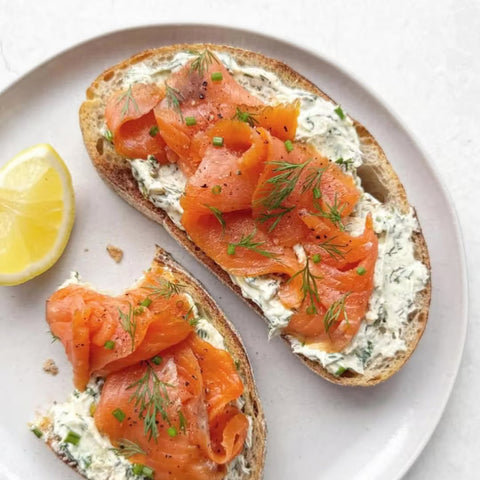
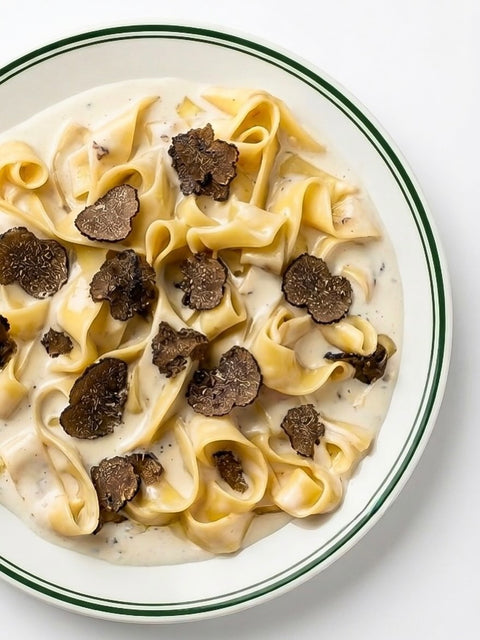
CaviarHub has one of the largest and most prestigious selections of fine foods in Canada.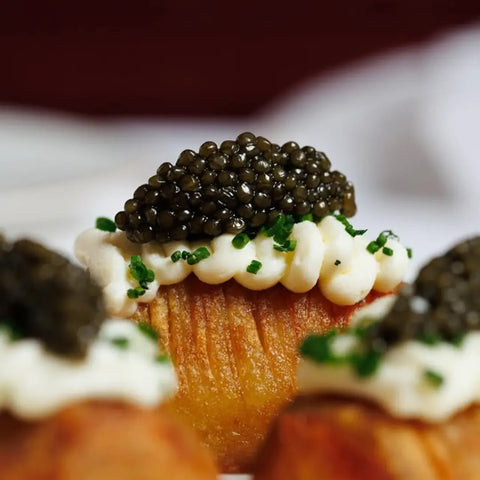

Sources & References
- Caviar – Encyclopaedia Britannica
- The Caviar Market, 2021 Edition – EUMOFA, European Commission
- Sturgeons and CITES – Convention on International Trade in Endangered Species
- Sturgeons and Caviar: The Basics of the Legal Caviar Trade and Caviar Labelling – WWF Danube-Carpathian Programme